Stories
Sabai Sakriya Sankalpa: Making the Tarkeshwor Outdoor Gym More Accessible
Following the Sabai Sakriya research, we developed an accessibility assessment toolkit for outdoor gyms, piloted it with persons with disabilities, and then added ramps, signboards, QR code videos, and new inclusive exercise equipment at the Tarkeshwor outdoor gym as a model.
Tarkeshwor, Kathmandu | 3 November 2026
Many public parks in Kathmandu now have outdoor gym equipment. Diverse Patterns and University College London (UCL) have been looking at whether persons with disabilities are able to use this equipment, and what would need to change for them to do so.
The first project, Activity for All / Sabai Sakriya, was carried out by Diverse Patterns, UCL and Kathmandu University School of Arts. We worked with ten persons with disabilities, who joined the study through Down Syndrome Society Nepal and Disability Human Rights Promotion Society. Together, we visited two parks with outdoor gym equipment: one in Kapurdhara, Kathmandu Metropolitan City Ward 26, and one in Dagurne Pani, Tarkeshwor Municipality Ward 4. Participants used the parks and told us about their experiences.
Participants reported several barriers. Some equipment areas could only be reached by steps or steep slopes, and there was no equipment that a wheelchair user could use. There was nothing to help persons with visual impairments find or use the equipment, and park rules and opening hours were not clear. Some equipment was broken. Several participants said they did not feel welcome in these spaces. More details of the research are available on UCL’s project page.
The second project, Sabai Sakriya Sankalpa, follows on from this research. Sankalpa means commitment in Nepali. In this phase, we worked with UCL to put some of the research recommendations into practice at one site, the outdoor gym in Tarkeshwor. The aim was to develop a model that other parks can learn from, not to solve every problem the research identified.
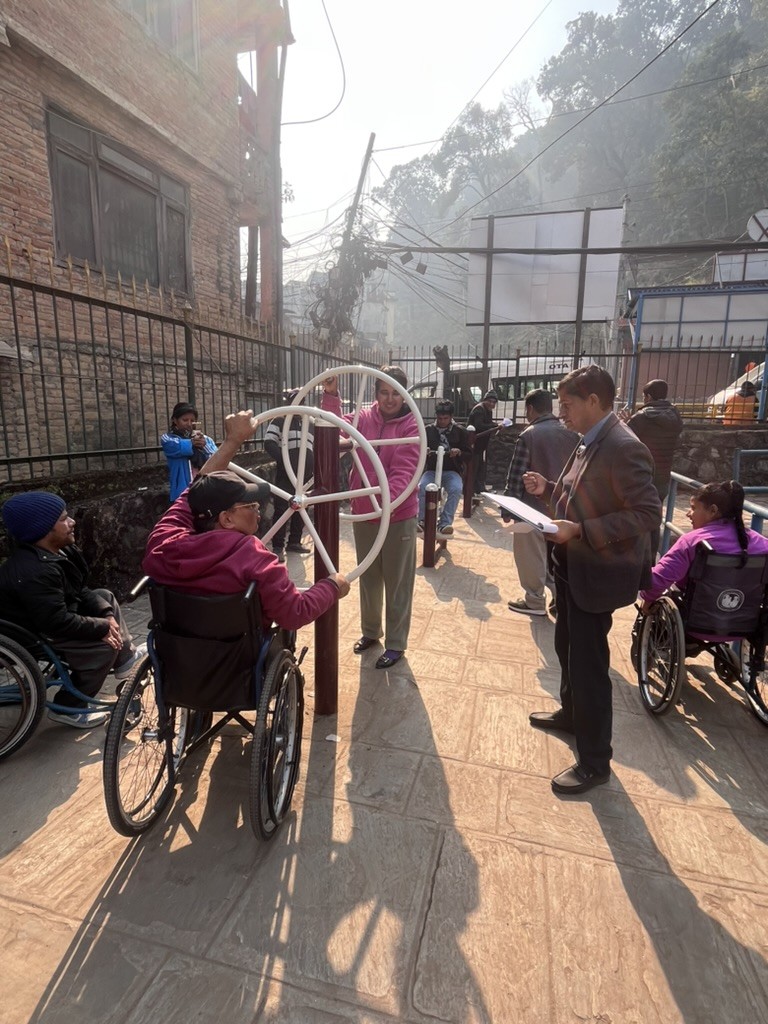
We first developed the Accessibility Assessment Toolkit for Outdoor Gyms. It is an observation checklist, available in Nepali and English, that community members and park managers can use to assess a park without specialist expertise. It covers four areas: how easily people can reach and enter the site; facilities such as restrooms, signage, and pathways; whether the equipment can be used by people with different abilities; and comfort, safety, and independence while using it. The tool asks the assessment team to follow the route a person with a disability would take: arriving at the park, entering it, moving to and using the equipment and facilities, and leaving. Along the way, the team records whether each item on the checklist is met and writes down what they observe.
We piloted the tool at the Tarkeshwor park, as well as at Kapurdhara. At Tarkeshwor, the assessment was led by persons with disabilities and took place before any changes were made to the park. The pilot findings were consistent with what participants had reported in the first project, which helped us validate their experiences.
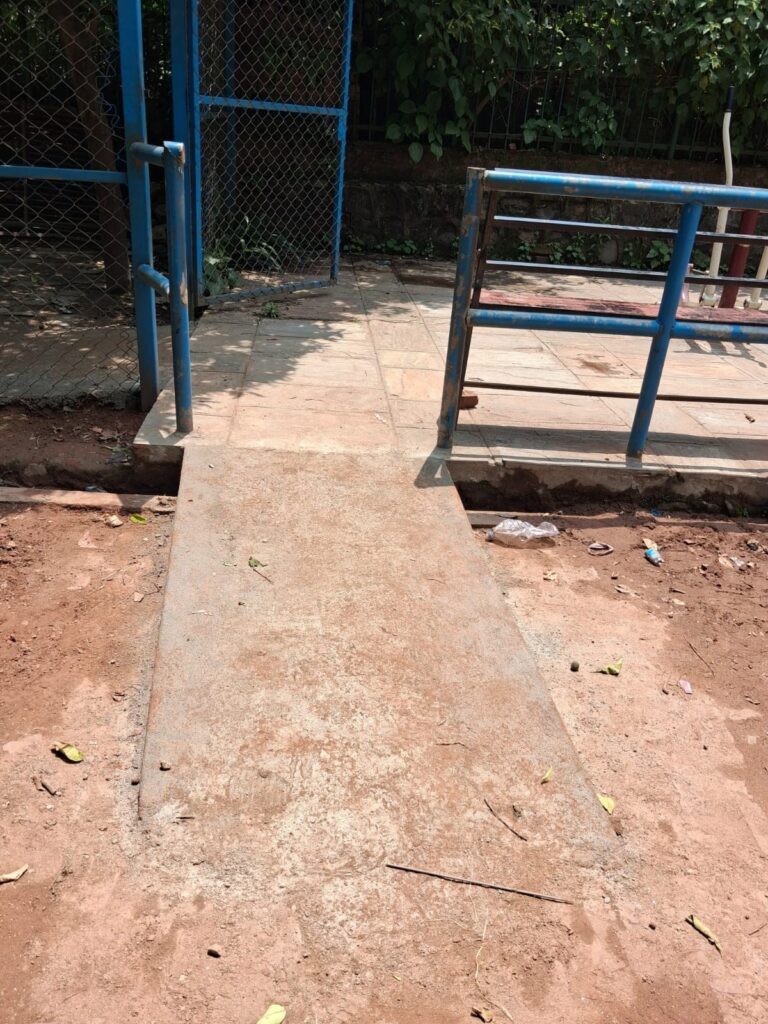
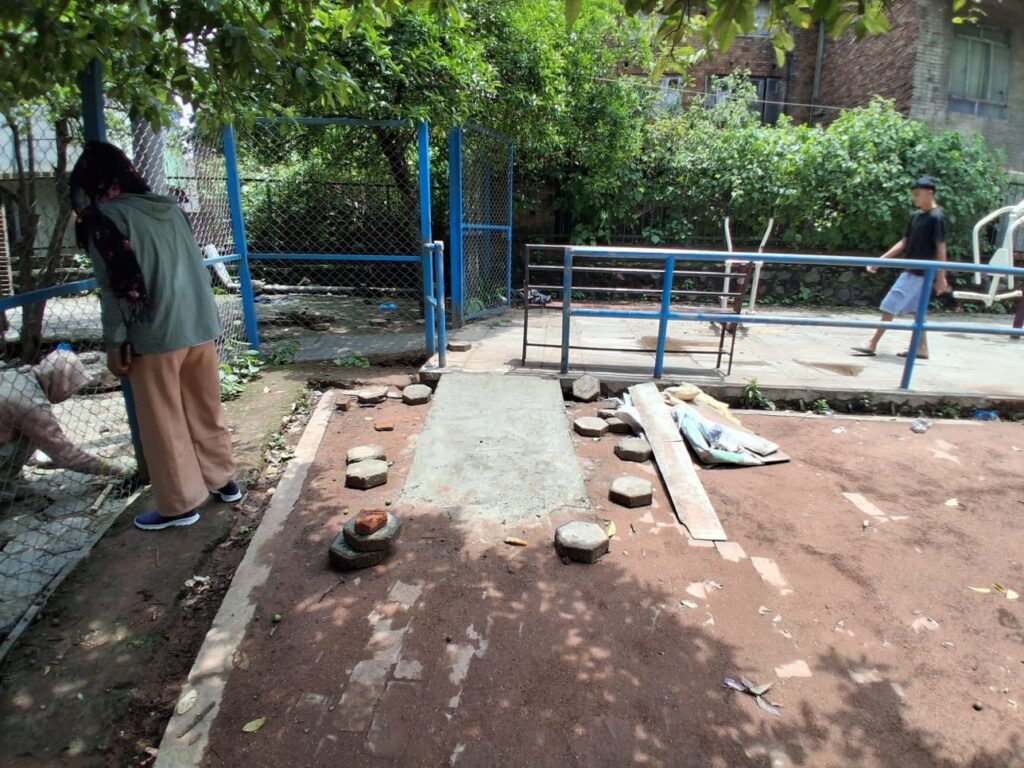
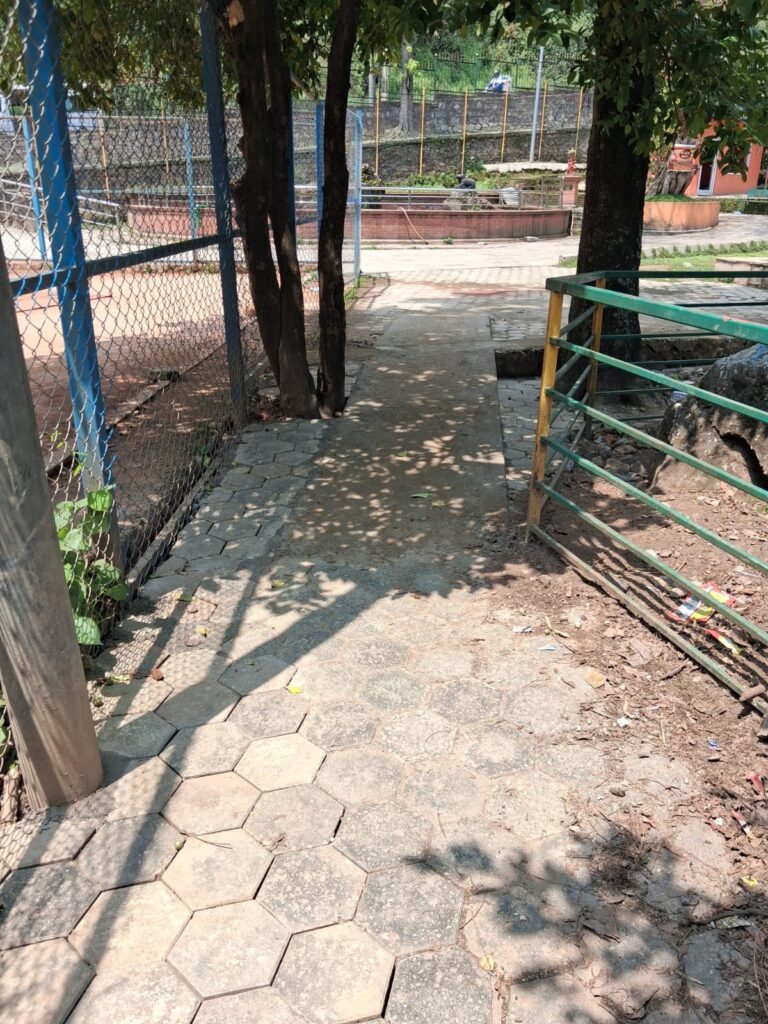
After the assessment, we made several changes at the Tarkeshwor outdoor gym. In the first project, participants had said that some equipment areas could only be reached by steps or steep slopes. We built concrete ramps so that wheelchair users can now move from the ground up to the paved exercise area.
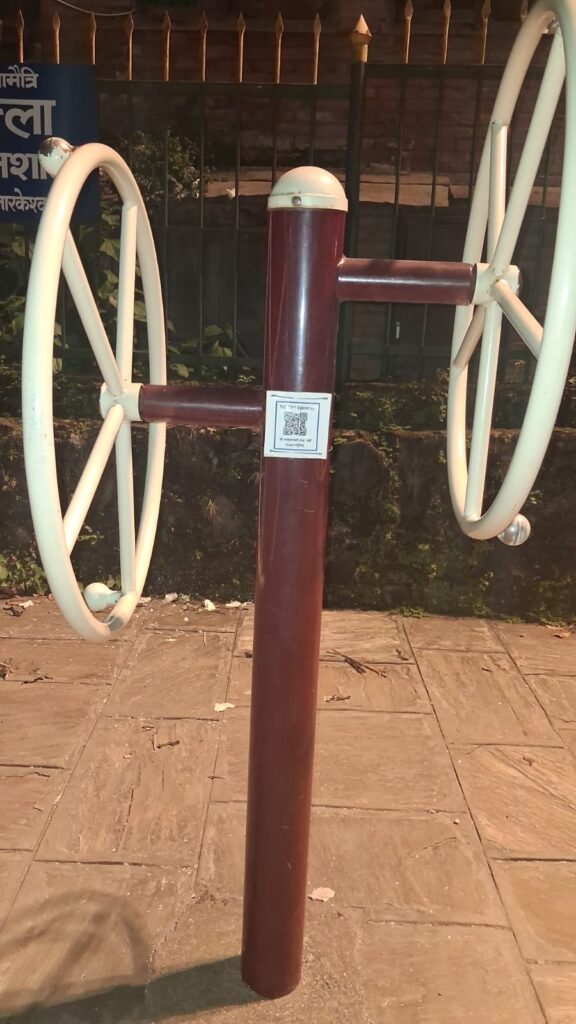
Many participants had also said there was no information at the park. We installed signboards at the site to provide this information. Another common concern was that people did not know how to use the equipment. To address this, we placed a label with a QR code on each piece of equipment. Anyone can scan the code with a phone and watch a short video on how to use that piece of equipment. The videos and information about each piece of equipment are also available on the Sabai Sakriya equipment site.
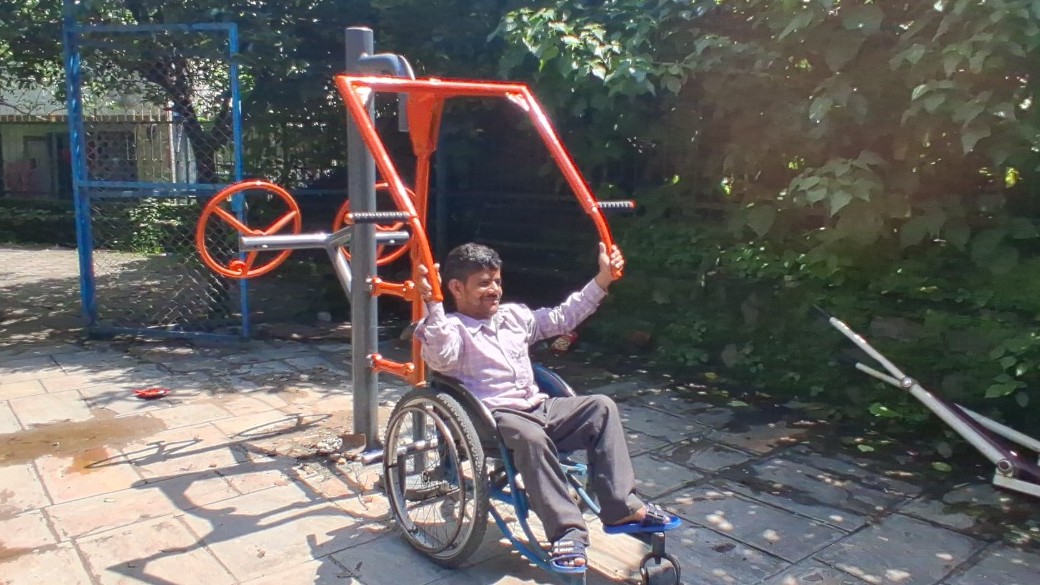
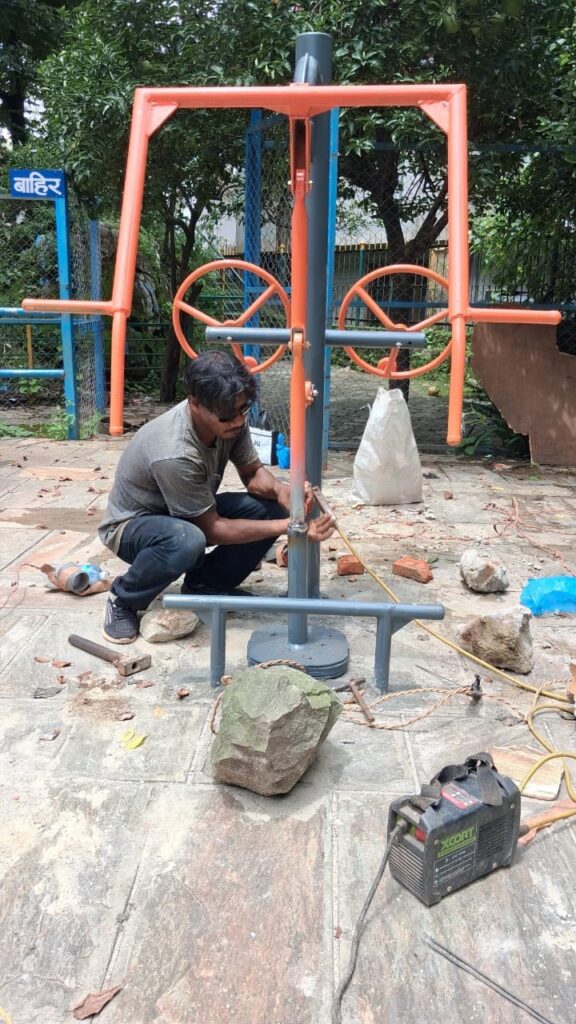
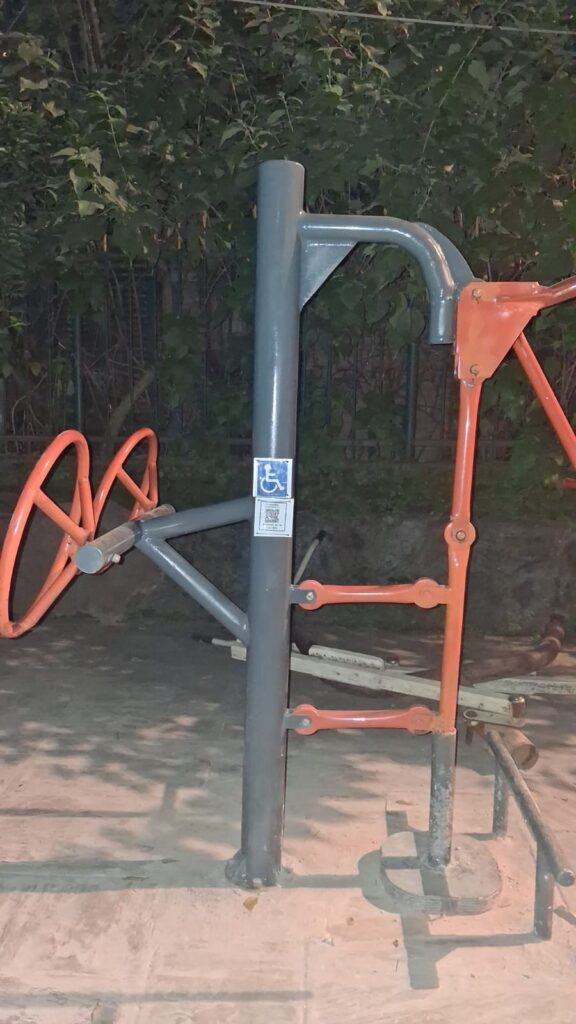
The research also found that there was no equipment that wheelchair users could exercise on. We therefore installed a new piece of inclusive exercise equipment that combines a tai chi spinner and a chest press in a single unit. It was designed by an engineer, based on the experiences shared by persons with disabilities. To our knowledge, it is the first equipment of its kind in Nepal. Wheelchair users have already started using it.
The Accessibility Assessment Toolkit for Outdoor Gyms can be downloaded free of charge in English and Nepali, as PDF and Word files. Wards, municipalities, and community groups that would like to use it, or to discuss improving the accessibility of a park in their area, can contact us.
More photos from Tarkeshwor
MORE STORIES
Related Posts
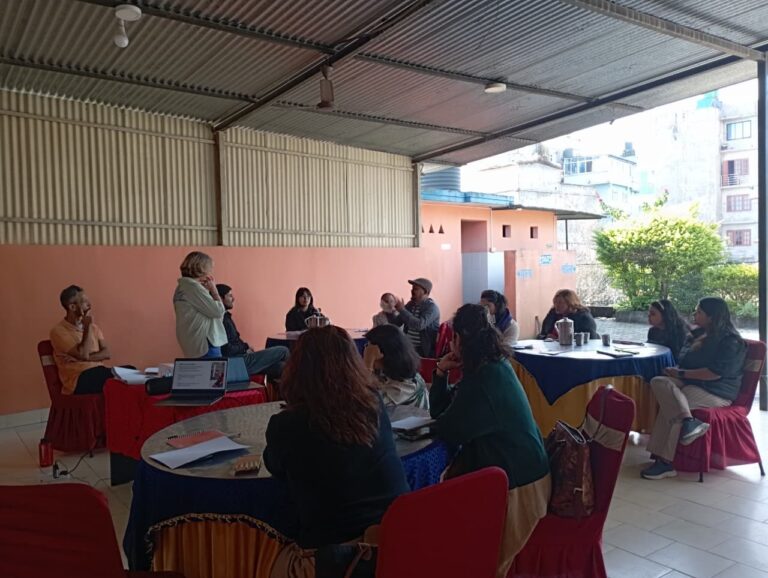
Co-Designing Accessible Public Spaces: A Two-Day Workshop with Artists and Persons with Disabilities
Artists and community members with and without disabilities spent two days visiting local parks and working together on ideas to make public spaces more inclusive.
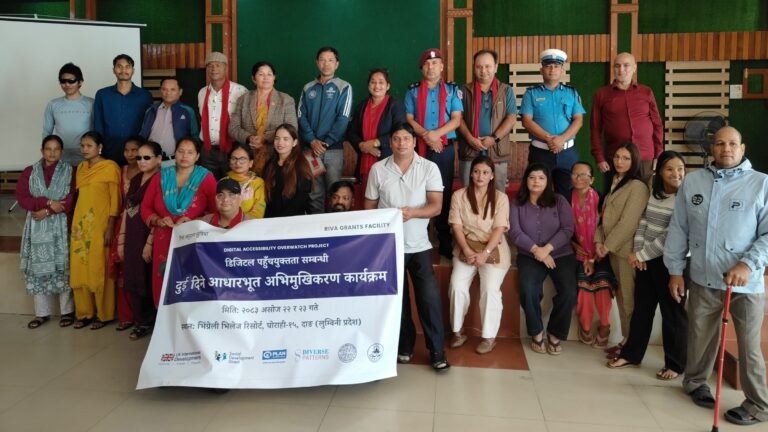
Digital Accessibility Training in Dang Builds Skills for Inclusion and Advocacy
A two-day training in Ghorahi brought together 21 persons with disabilities to identify digital barriers and advocate for accessible websites, social media, and online information.
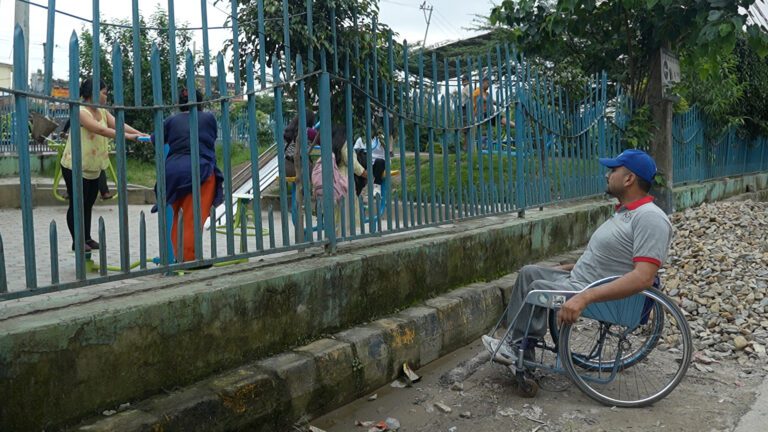
Why "Nothing About Us Without Us" is the Key to Good Research
How participatory research and inclusive surveys lead to better data and bigger impact for development projects.