Stories
Co-Designing Accessible Public Spaces: A Two-Day Workshop with Artists and Persons with Disabilities
Artists and community members with and without disabilities spent two days visiting local parks and working together on ideas to make public spaces more inclusive.
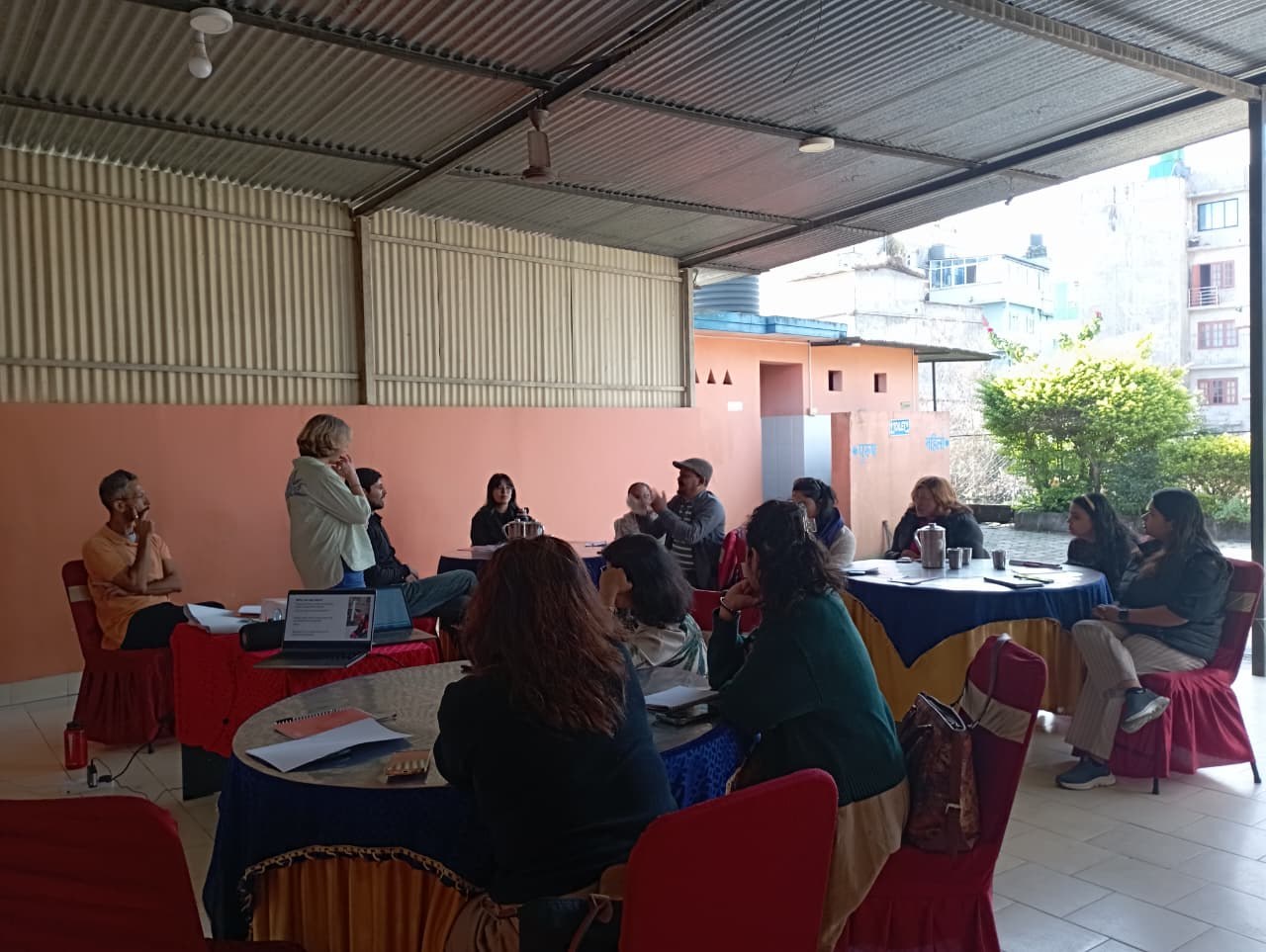
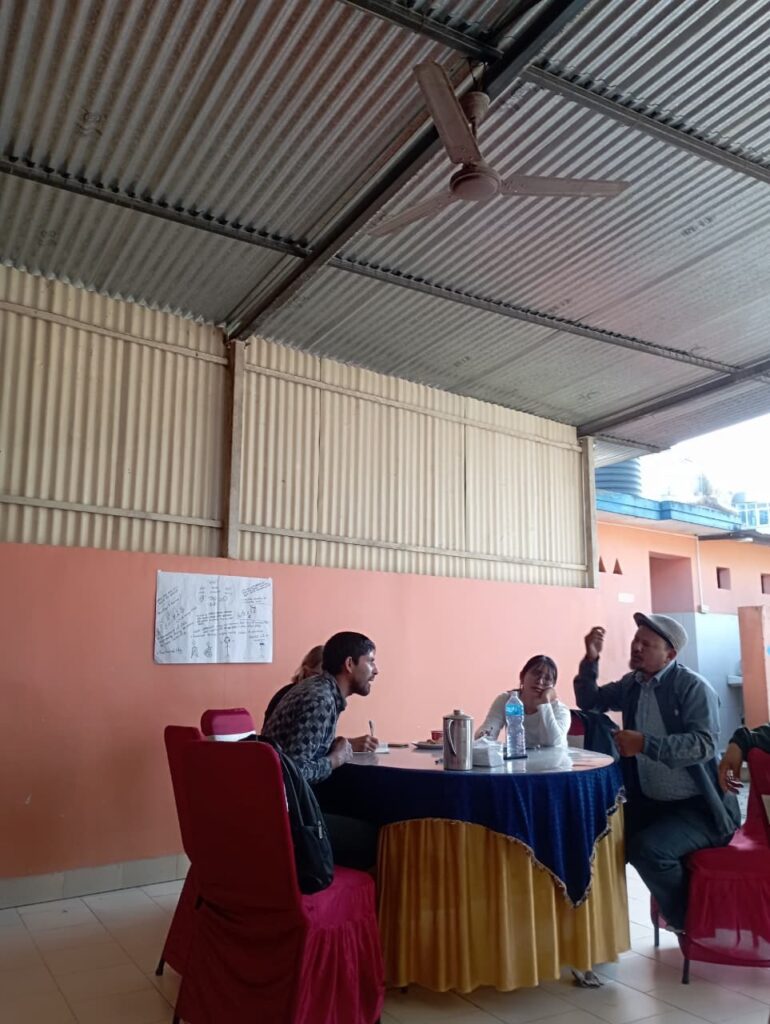
Diverse Patterns recently held a two-day workshop on making public spaces more inclusive. It brought together artists, people with an interest in the arts, and community members with and without disabilities. Over the two days, participants learned about the ideas behind barrier-free public spaces, visited local parks to look at the barriers for themselves, and worked in groups on proposals for change.
Bishal Dahal of Diverse Patterns opened the workshop and explained its background. Dr Joanna Morrison, the Principal Researcher, then presented the concept and vision of the project. The opening session also set out the goals of the workshop, the ground rules for taking part, and some basic ideas about including persons with disabilities in public life. Facilitator Niranjan Kunwar and the Diverse Patterns research team then led an open discussion on how people with different physical, sensory, and cognitive needs experience public spaces.
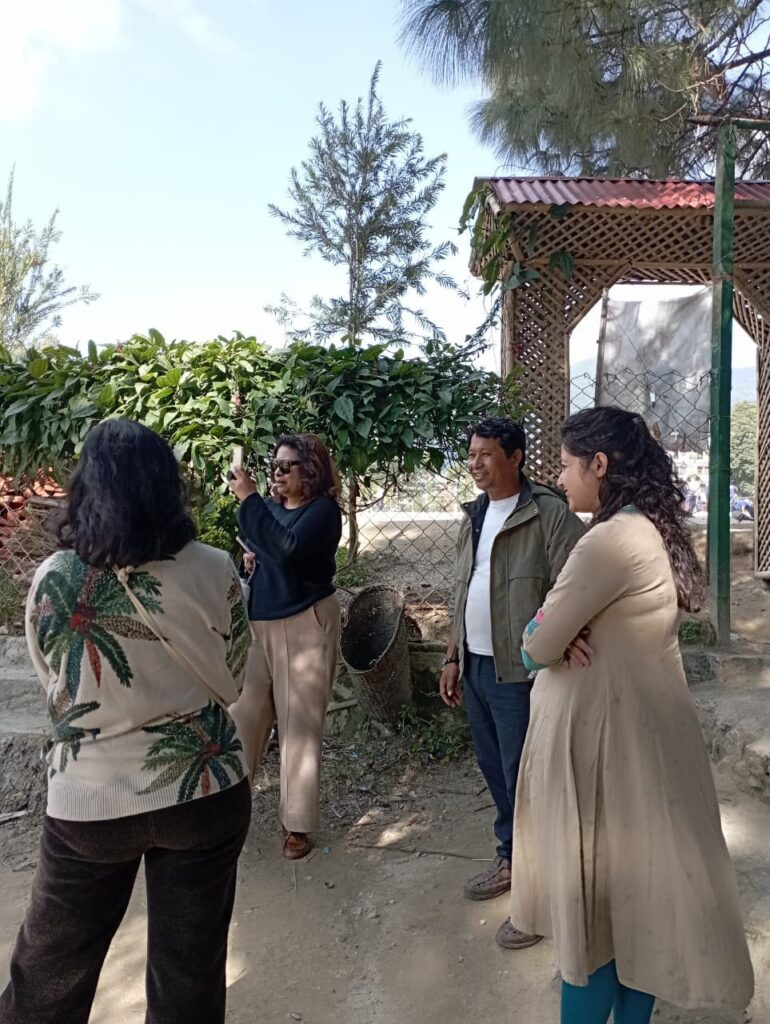
After a tea break, the workshop moved outdoors. Participants split into three groups, each joined by members of the Diverse Patterns team, and visited local green spaces, including Ama Park. They walked around the park grounds, looked for barriers, and talked with park visitors and local residents. Each group looked closely at the layout, seating, and pathways from the point of view of people with different disabilities. Back at the venue, the first day ended with a discussion of what could be improved.
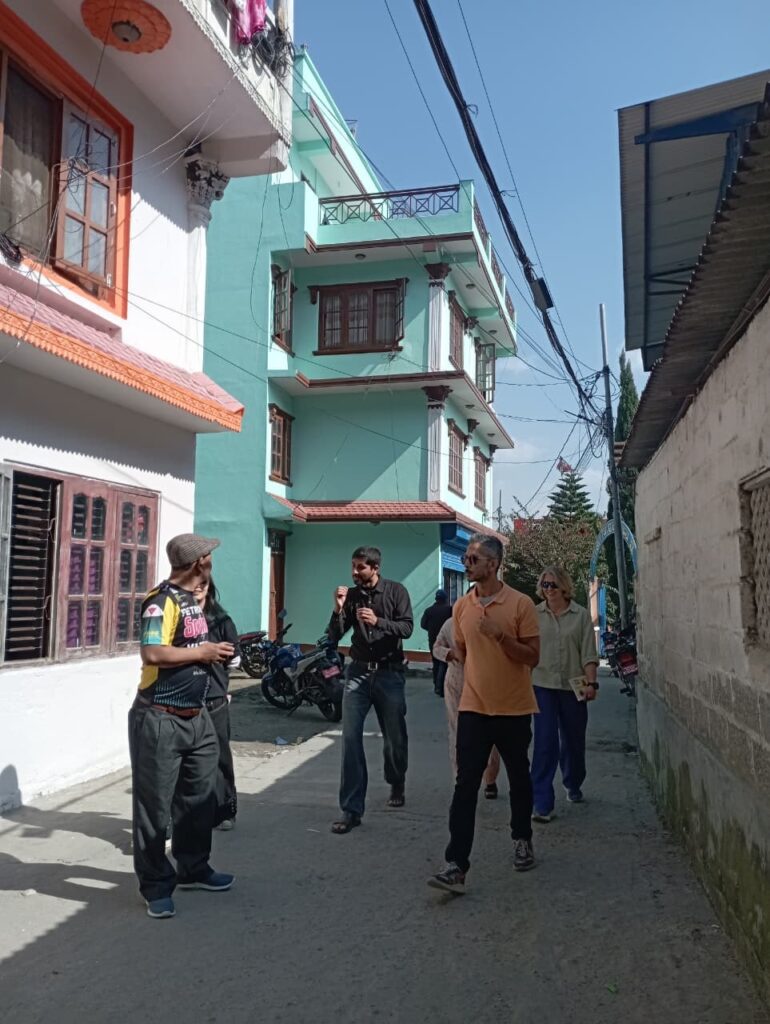
The second day began with participants sharing what they had seen in the parks, along with their own experiences of park accessibility. Participants with hearing impairments, a parent of a person with autism, and professional artists each brought a different point of view.
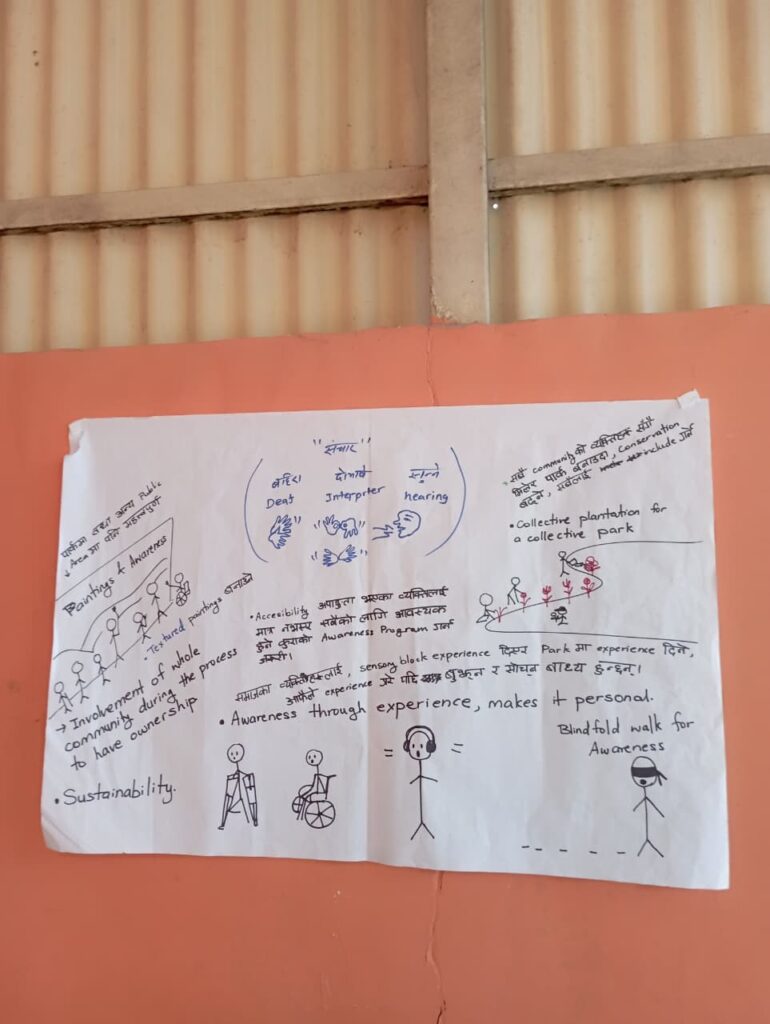
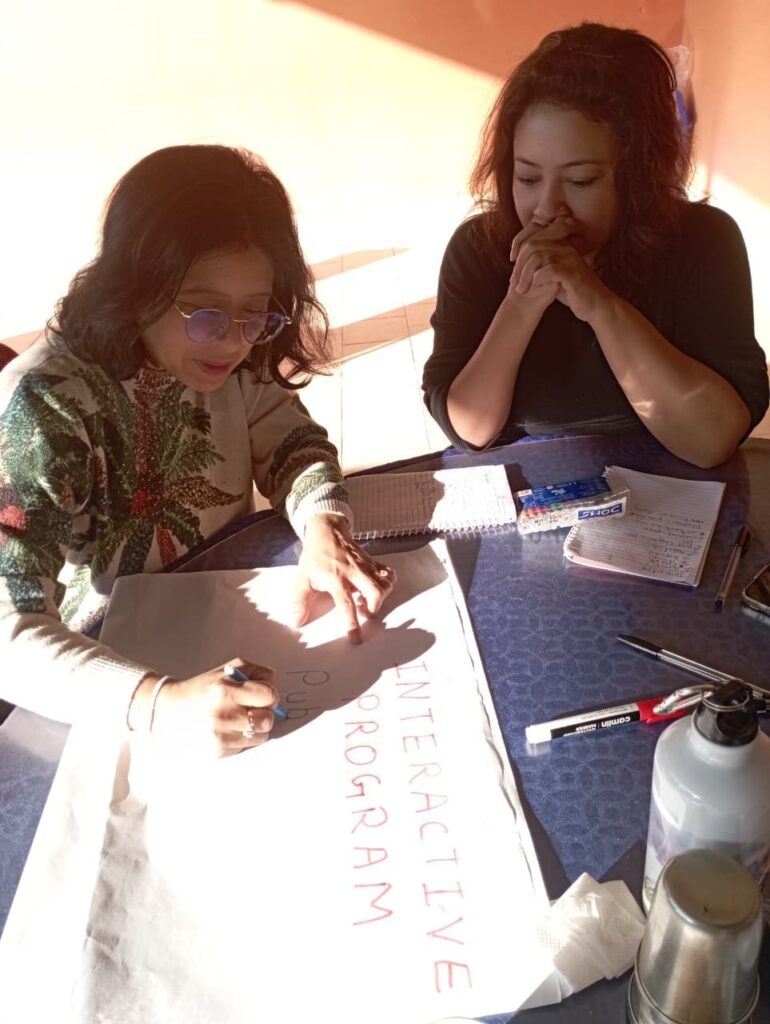
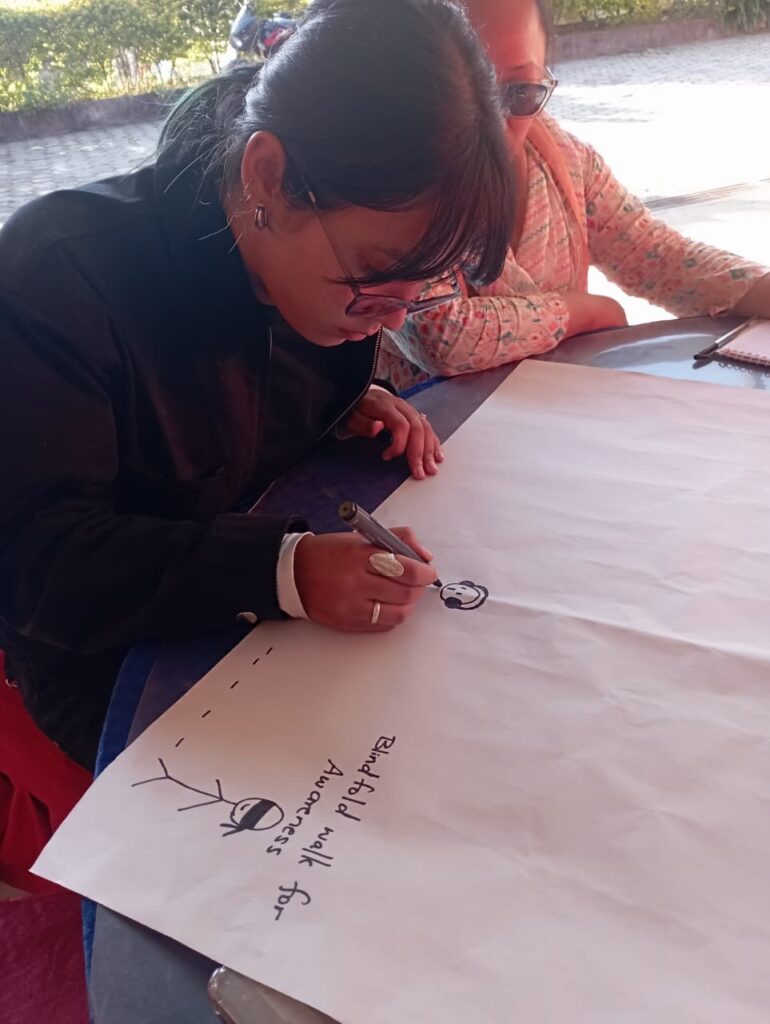
The groups then worked together on proposals for improving urban parks. A central question was how art could make a park more inclusive: what kinds of art installations, tactile features, and visual information could be added so that everyone can use the space. A representative from each group presented its ideas. One group, for example, suggested textured paintings, a blindfold walk to raise awareness, and community planting so that local people feel the park belongs to them.
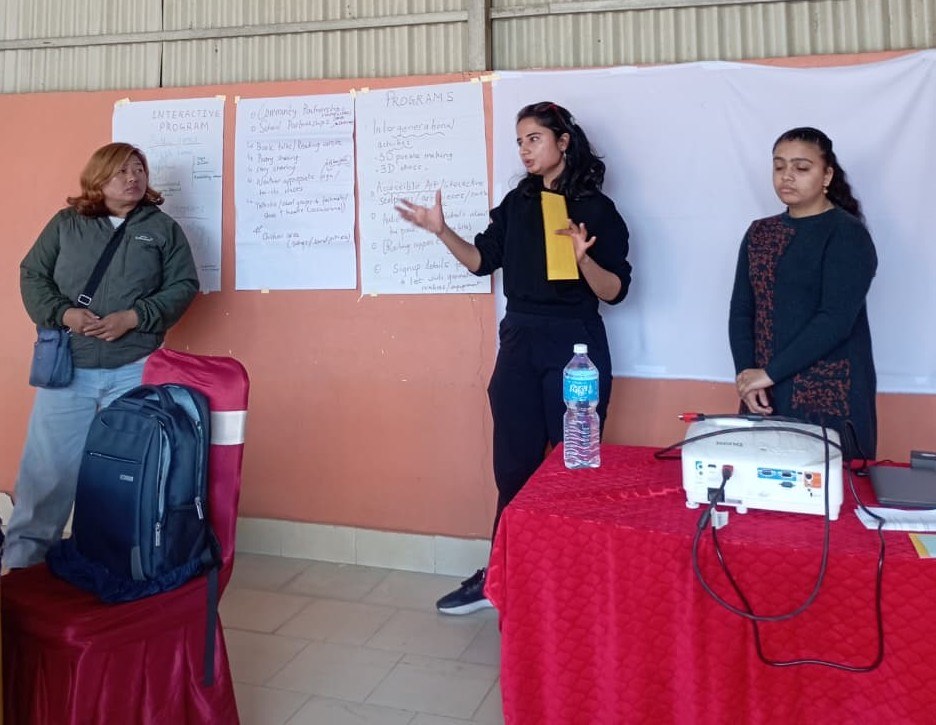
Bringing artists and persons with disabilities together meant that each learned from the other. Artists gained a better understanding of the everyday experiences of persons with disabilities, and participants with disabilities learned more about the ideas behind different art forms. Working side by side, they combined their perspectives to develop new ideas together.
At the close of the workshop, the Diverse Patterns team thanked the facilitators, venue partners, and participants. The ideas and proposals from the two days will feed into our upcoming project proposals and our advocacy for more inclusive urban planning in Nepal.
More photos from the workshop
MORE STORIES
Related Posts
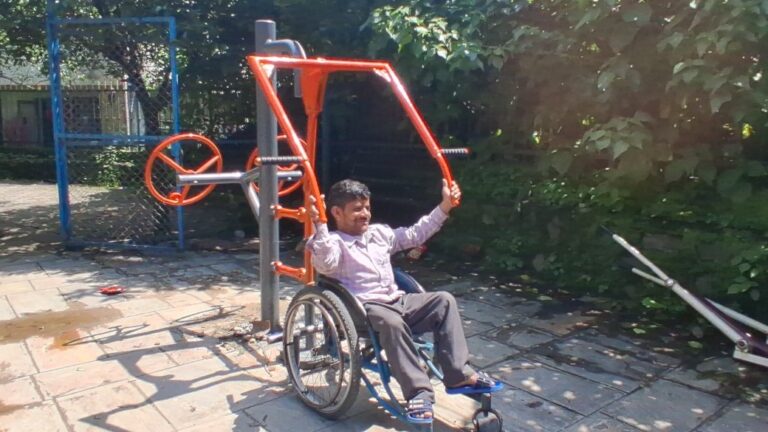
Sabai Sakriya Sankalpa: Making the Tarkeshwor Outdoor Gym More Accessible
Following the Sabai Sakriya research, we developed an accessibility assessment toolkit for outdoor gyms, piloted it with persons with disabilities, and then added ramps, signboards, QR code videos, and new inclusive exercise equipment at the Tarkeshwor outdoor gym as a model.
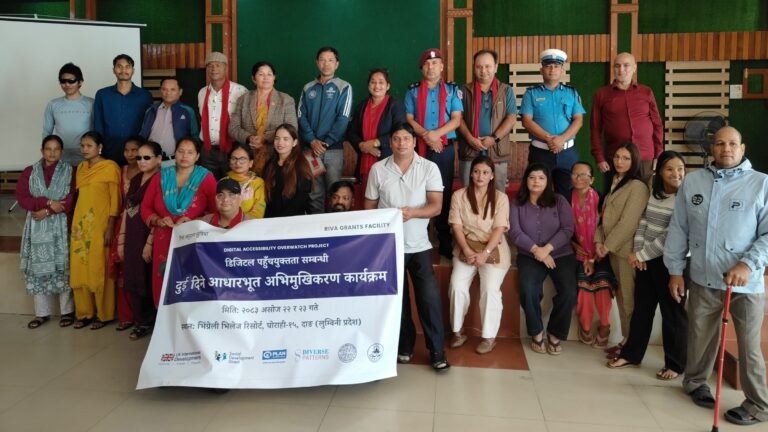
Digital Accessibility Training in Dang Builds Skills for Inclusion and Advocacy
A two-day training in Ghorahi brought together 21 persons with disabilities to identify digital barriers and advocate for accessible websites, social media, and online information.

Why "Nothing About Us Without Us" is the Key to Good Research
How participatory research and inclusive surveys lead to better data and bigger impact for development projects.