Stories
Inclusion in Action
We often hear the words "Diversity" and "Inclusion" used together, but they mean very different things. Here’s why your organization needs both.

You may have heard the famous saying: “Diversity is being invited to the party; inclusion is being asked to dance.” In the professional world, diversity means having a mix of different people in your team. Inclusion, however, is the actual culture that makes those people feel welcome, respected, and heard.
Many organizations successfully hire a diverse workforce but struggle to keep them. This usually happens because the internal “rules” or culture weren’t designed for everyone. For example, a company might hire someone who uses a wheelchair but has a meeting room on the second floor with no elevator. Or they might have a blind employee but send out internal memos as images that a screen reader can’t “see.”
At Diverse Patterns, we help organizations move beyond the buzzwords. We look at your day-to-day operations—your policies, your manuals, and your physical workspace—to find the “hidden” barriers. We understand the development sector and the corporate world, which allows us to speak your language while suggesting professional, industry-standard improvements.
Real inclusion requires a plan. It requires looking at your “Strategic Frameworks” and asking: Does this policy protect everyone? By doing this work, you don’t just “check a box”—you create a team that is more creative, more loyal, and more effective. After all, when everyone feels they belong, everyone performs better.
MORE STORIES
Related Posts
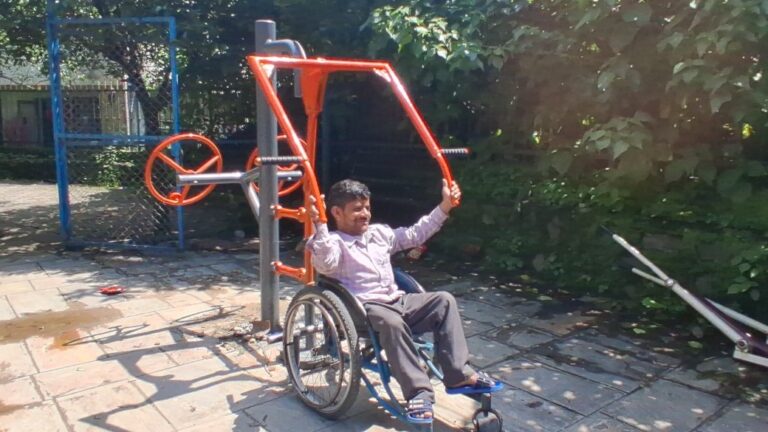
Sabai Sakriya Sankalpa: Making the Tarkeshwor Outdoor Gym More Accessible
Following the Sabai Sakriya research, we developed an accessibility assessment toolkit for outdoor gyms, piloted it with persons with disabilities, and then added ramps, signboards, QR code videos, and new inclusive exercise equipment at the Tarkeshwor outdoor gym as a model.
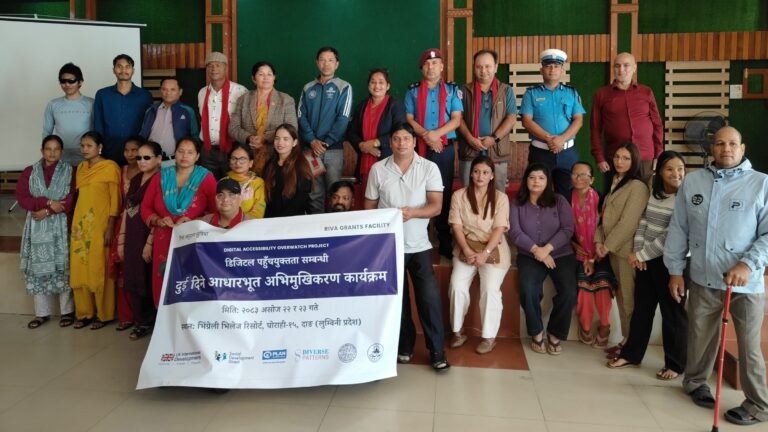
Digital Accessibility Training in Dang Builds Skills for Inclusion and Advocacy
A two-day training in Ghorahi brought together 21 persons with disabilities to identify digital barriers and advocate for accessible websites, social media, and online information.

Why "Nothing About Us Without Us" is the Key to Good Research
How participatory research and inclusive surveys lead to better data and bigger impact for development projects.