
Why “Nothing About Us Without Us” is the Key to Good Research
How participatory research and inclusive surveys lead to better data and bigger impact for development projects.
In the world of development, we are constantly doing research. We conduct baseline studies, mid-term evaluations, and final reports. But there is a common mistake: sometimes, the very people the project is supposed to help are treated like “subjects” rather than partners.
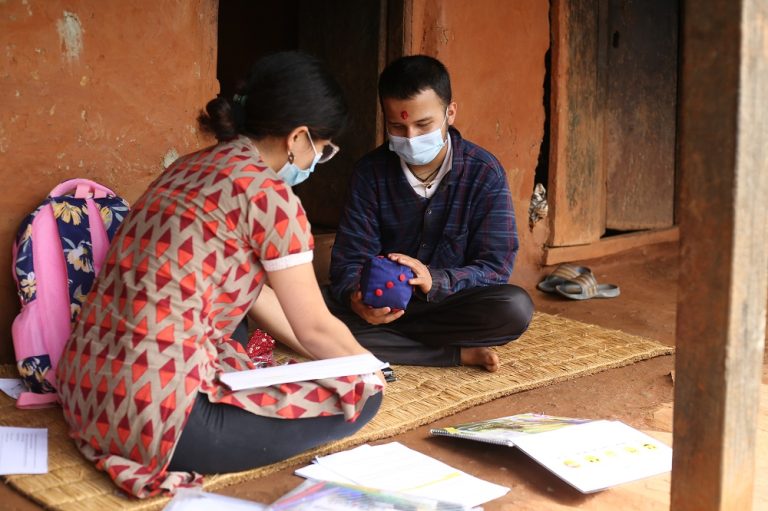
At Diverse Patterns, our research philosophy is simple: Nothing about us without us. This means that if we are researching disability rights, we include people with disabilities in the design of the survey. If we are studying gender equality, we ensure our data collection methods are safe and accessible for women in that specific community.
This approach, known as “Participatory Research,” doesn’t just feel better—it produces better data. When community members feel respected and involved, they share deeper insights that a standard “check-box” survey might miss. Our team has years of experience in the development sector, so we know how to combine this “heart-led” approach with professional, rigorous data analysis.
We specialize in creating research tools that are inclusive. This means using “Easy-Read” formats for people with intellectual disabilities, providing sign language interpretation during interviews, and ensuring our field teams are trained in GESI (Gender Equality and Social Inclusion) principles.
Next time you need to measure the impact of your project, ask yourself: Is our research inclusive? If you want to find the real facts and make a lasting difference, the answer must be yes. We are here to help you bridge that gap.
Related Posts
Explore more content you might enjoy
Inclusion in Action
January 23, 2026
We often hear the words "Diversity" and "Inclusion" used together, but they mean very different things. Here’s why your organization needs both.
Is Your Website Leaving People Behind? A Simple Guide to Digital Accessibility
January 23, 2026
In a digital-first world, your website is your front door. But for many people with disabilities, that door is locked. Here is how to open it.