Stories
Is Your Website Leaving People Behind? A Simple Guide to Digital Accessibility
In a digital-first world, your website is your front door. But for many people with disabilities, that door is locked. Here is how to open it.

When we talk about accessibility, we often think about ramps and elevators. But today, a huge part of our lives happens online. From applying for a job to reading a report, digital tools are essential. However, if your website isn’t built correctly, millions of people—including those with visual, hearing, or motor impairments—might find it impossible to use.
At Diverse Patterns, we believe that digital accessibility is a right, not a luxury. We follow the Web Content Accessibility Guidelines (WCAG), which are the global “gold standard” for making the internet inclusive. This sounds technical, but it really boils down to a few simple things: Can a screen reader read your text? Do your videos have captions? Is your website easy to navigate using only a keyboard?
Making your website accessible isn’t just about being “nice”—it’s smart business. People with disabilities represent a huge portion of the global population. When you make your digital tools accessible, you reach more people, improve your SEO, and show the world that your organization truly values inclusion.
We specialize in “Digital Accessibility Audits,” where we test your current platforms and help you fix the gaps. Whether you are a small NGO or a large international agency, we can help you ensure that your digital front door is open to everyone. Let’s build a digital world where no one is left behind.
MORE STORIES
Related Posts
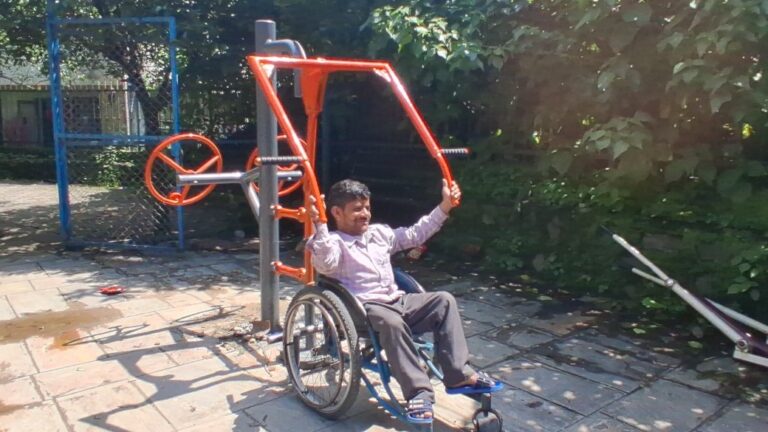
Sabai Sakriya Sankalpa: Making the Tarkeshwor Outdoor Gym More Accessible
Following the Sabai Sakriya research, we developed an accessibility assessment toolkit for outdoor gyms, piloted it with persons with disabilities, and then added ramps, signboards, QR code videos, and new inclusive exercise equipment at the Tarkeshwor outdoor gym as a model.
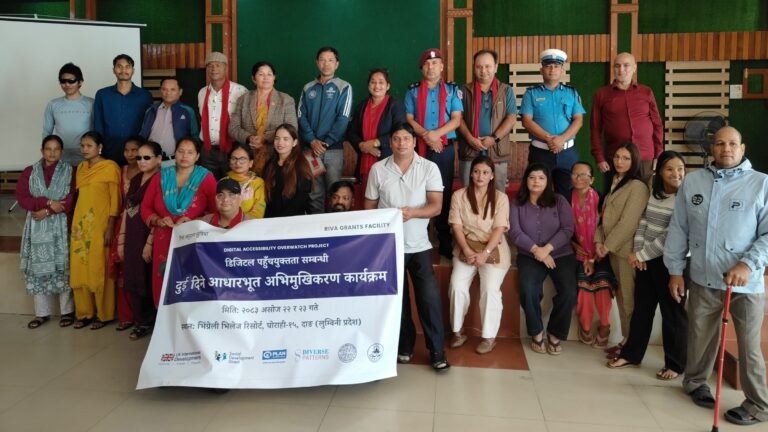
Digital Accessibility Training in Dang Builds Skills for Inclusion and Advocacy
A two-day training in Ghorahi brought together 21 persons with disabilities to identify digital barriers and advocate for accessible websites, social media, and online information.

Why "Nothing About Us Without Us" is the Key to Good Research
How participatory research and inclusive surveys lead to better data and bigger impact for development projects.